
Gastroscopy – examination of the esophagus, stomach and duodenum
Gastroscopy is an endoscopic examination of the esophagus, stomach and duodenum that usually takes only 10 to 15 minutes. At our gastroenterology center in Bratislava at Bernolákova 9 you can have it within 48 hours and, on request, under sedation – with minimal discomfort. During the examination we can directly take samples for histology and for detecting the bacterium Helicobacter pylori.
- The lead specialist for gastroenterology is MUDr. Tomáš Zamborský
- The team includes MUDr. Daniel Malik, PhD., head of the endoscopy unit at the University Hospital Bratislava (UNB)
- An appointment for gastroscopy usually within a few days, with the option of sedation
- We speak English
Bratislava – Bernolákova 9 (STEIN II)
What gastroscopy is
Gastroscopy (gastrofibroscopy) is an endoscopic examination of the esophagus, stomach and duodenum. The doctor passes a thin flexible instrument with a camera through the mouth and assesses the condition of the lining of the upper digestive tract directly on a screen. The examination itself usually takes 10 to 15 minutes.
A great advantage of gastroscopy is that during a single examination we can also take samples of the lining – for histological examination or to detect the bacterium Helicobacter pylori, which is associated with stomach ulcers. As a result, one visit is often enough to establish an accurate diagnosis.
At Proctocare, endoscopic examinations are performed by an experienced team led by the head of endoscopy MUDr. Daniel Malik, PhD.; the lead specialist for gastroenterology is MUDr. Tomáš Zamborský.
When gastroscopy is appropriate
We recommend gastroscopy especially for the following complaints and suspicions
- Long-term heartburn and reflux that do not respond to standard treatment
- Recurrent pain in the upper abdomen or a feeling of fullness after meals
- Suspected stomach or duodenal ulcers
- Suspected celiac disease – taking samples from the lining of the duodenum
- Nausea, vomiting or difficulty swallowing
- Unexplained anemia or unintended weight loss where a cause in the upper digestive tract needs to be ruled out
If you are not sure whether gastroscopy is right for you, we will gladly assess this at a gastroenterology consultation.
How gastroscopy works
The whole process is quick and gentle – from arrival to going home you will usually spend less than an hour with us
1. Consultation and briefing
The doctor goes through your complaints and medication with you and answers your questions. Together you decide whether you would like sedation.
2. Sedation (optional)
On request we administer a sedative into a vein while monitoring your vital signs. On request, the examination can also be performed under general anesthesia.
3. The examination itself
The doctor inserts the endoscope and inspects the esophagus, stomach and duodenum. This takes about 10 – 15 minutes; samples are taken if needed.
4. Results and recommendations
The doctor explains the findings to you right after the examination and suggests the next steps. Histology results are added once processed by the laboratory.
Advantages of gastroscopy at Proctocare
Appointment within 48 hours
You will usually get an appointment within 48 hours.
Sedation
You can have the examination under sedation with monitoring – with minimal discomfort. On request, the examination can also be performed under general anesthesia.
Samples taken during the examination
During the gastroscopy we take samples for histology and for the Helicobacter pylori test.
Experienced endoscopy team
The team includes MUDr. Daniel Malik, PhD., head of the endoscopy unit at the University Hospital Bratislava (UNB); the lead specialist is MUDr. Tomáš Zamborský.
Comprehensive diagnostics
Follow-up laboratory tests and stool tests can all be done with us in one place.
No referral needed
You do not need a recommendation from another doctor for the examination.
Preparing for gastroscopy
Preparation is simple – the key is to come on an empty stomach
- Do not eat for 6 – 8 hours before the examination; the stomach must be completely empty
- Do not drink or smoke immediately before the examination; ask your doctor about drinking a small amount of plain water
- Tell us in advance about any medication you take regularly (especially blood thinners and diabetes medication)
- If you choose sedation, arrange for someone to accompany you and do not drive for the rest of the day
- Bring your medical records and a list of the medication you take
You will receive exact preparation instructions when booking your appointment.
After the examination
- After the examination you may feel a slight scratchy throat or bloating – these complaints pass quickly
- You can usually eat and drink shortly after the examination, following the doctor's instructions
- After sedation you will stay under our supervision for a short while until the sedative wears off
- After sedation, do not drive, operate machinery or sign important documents that day – plan to leave with someone accompanying you
- The doctor explains the result to you right away; histology results are discussed at a follow-up visit or by phone
Frequently asked questions about gastroscopy
Gastroscopy is unpleasant rather than painful – what bothers patients most is the gag reflex when the instrument is inserted. Sedation considerably reduces the discomfort. On request, the examination can also be performed under general anesthesia.
The examination itself usually takes 10 to 15 minutes. Including preparation, any sedation and short observation afterwards, expect to spend about an hour with us.
Yes. In addition to sedation, we also offer gastroscopy under general anesthesia. The doctor will discuss suitability and the procedure with you when booking – with general anesthesia the same fasting preparation applies and you need someone to accompany you after the examination.
Yes, the stomach must be empty so that the doctor can see the lining well and the examination is safe. Do not eat for 6 to 8 hours before the examination and do not drink immediately before it.
If you had the gastroscopy without sedation, you can drive. After sedation, however, you must not drive that day – please arrange for someone to take you home.
No. We are a private gastroenterology center, so you do not need a referral and you will usually get an appointment within a few days.
Yes. During the examination we can take a sample of the lining to detect the bacterium Helicobacter pylori. An alternative is a non-invasive stool sample test.
Related topics
Acid reflux and heartburn
Long-term heartburn is one of the most common indications for gastroscopy.
Stomach ulcers
Gastroscopy is the basic examination when stomach and duodenal ulcers are suspected.
Helicobacter pylori test
We detect the bacterium associated with ulcers by a stool test or from a sample taken during gastroscopy.
Who will take care of you
Gastroenterologist · lead specialist for gastroenterology at Proctocare
MUDr. Tomáš Zamborský specializes in the diagnosis and treatment of diseases of the digestive tract, with an emphasis on precise diagnostics and an individual approach. He has also long specialized in inflammatory bowel diseases (Crohn’s disease, ulcerative colitis).
- Gastroenterologist with more than 20 years of experience
- Gastroenterology Clinic of the Slovak Medical University and the University Hospital Bratislava
- Publishing and lecturing activity in the field
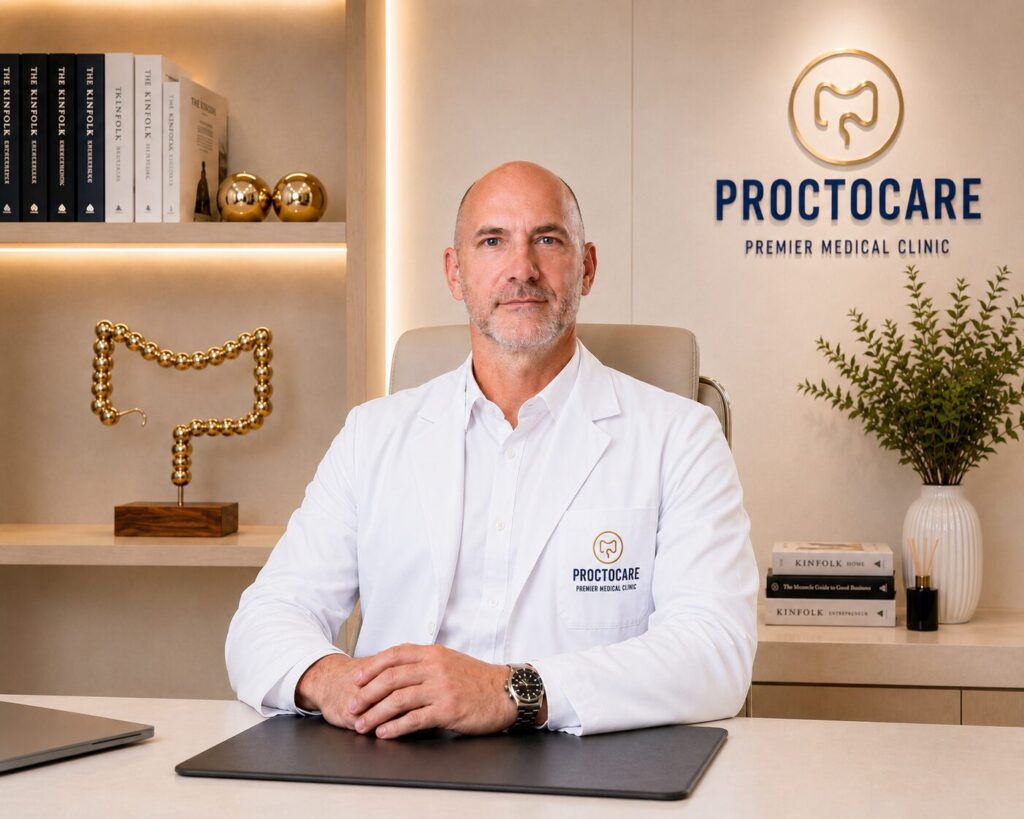
Gastroenterologist · head of the endoscopy unit at the University Hospital Bratislava (UNB)
A gastroenterologist with more than 30 years of experience in digestive endoscopy. He specializes in gastroscopy, colonoscopy and advanced endoscopic procedures.

Gastroenterologist · Bratislava office
She specializes in the diagnosis and treatment of diseases of the digestive tract, including endoscopic examinations and functional gastroenterology, with an emphasis on patient comfort during the examination.
Author and medical review: MUDr. Tomáš Zamborský – gastroenterologist with more than 20 years of experience, head medical guarantor of gastroenterology at Proctocare. · Last medical review: July 2026
Book a gastroscopy
An appointment usually within a few days, with the option of sedation. Call +421 948 687 667 – Bratislava, Bernolákova 9 (STEIN II).
Bratislava: Bernolákova 9, 811 07 (STEIN II) · Mon–Fri 07:30–19:30, Sat 07:30–12:30
info@proctocare.sk
Gastroscopy – examination of the esophagus, stomach and duodenum
Gastroscopy is an endoscopic examination of the esophagus, stomach and duodenum that usually takes only 10 to 15 minutes. At our gastroenterology center in Bratislava at Bernolákova 9 you can have it within 48 hours and, on request, under sedation – with minimal discomfort. During the examination we can directly take samples for histology and for detecting the bacterium Helicobacter pylori.
- The lead specialist for gastroenterology is MUDr. Tomáš Zamborský
- The team includes MUDr. Daniel Malik, PhD., head of the endoscopy unit at the University Hospital Bratislava (UNB)
- An appointment for gastroscopy usually within a few days, with the option of sedation
- We speak English
Bratislava – Bernolákova 9 (STEIN II)
What gastroscopy is
Gastroscopy (gastrofibroscopy) is an endoscopic examination of the esophagus, stomach and duodenum. The doctor passes a thin flexible instrument with a camera through the mouth and assesses the condition of the lining of the upper digestive tract directly on a screen. The examination itself usually takes 10 to 15 minutes.
A great advantage of gastroscopy is that during a single examination we can also take samples of the lining – for histological examination or to detect the bacterium Helicobacter pylori, which is associated with stomach ulcers. As a result, one visit is often enough to establish an accurate diagnosis.
At Proctocare, endoscopic examinations are performed by an experienced team led by the head of endoscopy MUDr. Daniel Malik, PhD.; the lead specialist for gastroenterology is MUDr. Tomáš Zamborský.
When gastroscopy is appropriate
We recommend gastroscopy especially for the following complaints and suspicions
- Long-term heartburn and reflux that do not respond to standard treatment
- Recurrent pain in the upper abdomen or a feeling of fullness after meals
- Suspected stomach or duodenal ulcers
- Suspected celiac disease – taking samples from the lining of the duodenum
- Nausea, vomiting or difficulty swallowing
- Unexplained anemia or unintended weight loss where a cause in the upper digestive tract needs to be ruled out
If you are not sure whether gastroscopy is right for you, we will gladly assess this at a gastroenterology consultation.
How gastroscopy works
The whole process is quick and gentle – from arrival to going home you will usually spend less than an hour with us
1. Consultation and briefing
The doctor goes through your complaints and medication with you and answers your questions. Together you decide whether you would like sedation.
2. Sedation (optional)
On request we administer a sedative into a vein while monitoring your vital signs. On request, the examination can also be performed under general anesthesia.
3. The examination itself
The doctor inserts the endoscope and inspects the esophagus, stomach and duodenum. This takes about 10 – 15 minutes; samples are taken if needed.
4. Results and recommendations
The doctor explains the findings to you right after the examination and suggests the next steps. Histology results are added once processed by the laboratory.
Advantages of gastroscopy at Proctocare
Appointment within 48 hours
You will usually get an appointment within 48 hours.
Sedation
You can have the examination under sedation with monitoring – with minimal discomfort. On request, the examination can also be performed under general anesthesia.
Samples taken during the examination
During the gastroscopy we take samples for histology and for the Helicobacter pylori test.
Experienced endoscopy team
The team includes MUDr. Daniel Malik, PhD., head of the endoscopy unit at the University Hospital Bratislava (UNB); the lead specialist is MUDr. Tomáš Zamborský.
Comprehensive diagnostics
Follow-up laboratory tests and stool tests can all be done with us in one place.
No referral needed
You do not need a recommendation from another doctor for the examination.
Preparing for gastroscopy
Preparation is simple – the key is to come on an empty stomach
- Do not eat for 6 – 8 hours before the examination; the stomach must be completely empty
- Do not drink or smoke immediately before the examination; ask your doctor about drinking a small amount of plain water
- Tell us in advance about any medication you take regularly (especially blood thinners and diabetes medication)
- If you choose sedation, arrange for someone to accompany you and do not drive for the rest of the day
- Bring your medical records and a list of the medication you take
You will receive exact preparation instructions when booking your appointment.
After the examination
- After the examination you may feel a slight scratchy throat or bloating – these complaints pass quickly
- You can usually eat and drink shortly after the examination, following the doctor's instructions
- After sedation you will stay under our supervision for a short while until the sedative wears off
- After sedation, do not drive, operate machinery or sign important documents that day – plan to leave with someone accompanying you
- The doctor explains the result to you right away; histology results are discussed at a follow-up visit or by phone
Frequently asked questions about gastroscopy
Gastroscopy is unpleasant rather than painful – what bothers patients most is the gag reflex when the instrument is inserted. Sedation considerably reduces the discomfort. On request, the examination can also be performed under general anesthesia.
The examination itself usually takes 10 to 15 minutes. Including preparation, any sedation and short observation afterwards, expect to spend about an hour with us.
Yes. In addition to sedation, we also offer gastroscopy under general anesthesia. The doctor will discuss suitability and the procedure with you when booking – with general anesthesia the same fasting preparation applies and you need someone to accompany you after the examination.
Yes, the stomach must be empty so that the doctor can see the lining well and the examination is safe. Do not eat for 6 to 8 hours before the examination and do not drink immediately before it.
If you had the gastroscopy without sedation, you can drive. After sedation, however, you must not drive that day – please arrange for someone to take you home.
No. We are a private gastroenterology center, so you do not need a referral and you will usually get an appointment within a few days.
Yes. During the examination we can take a sample of the lining to detect the bacterium Helicobacter pylori. An alternative is a non-invasive stool sample test.
Related topics
Acid reflux and heartburn
Long-term heartburn is one of the most common indications for gastroscopy.
Stomach ulcers
Gastroscopy is the basic examination when stomach and duodenal ulcers are suspected.
Helicobacter pylori test
We detect the bacterium associated with ulcers by a stool test or from a sample taken during gastroscopy.
Who will take care of you
Gastroenterologist · lead specialist for gastroenterology at Proctocare
MUDr. Tomáš Zamborský specializes in the diagnosis and treatment of diseases of the digestive tract, with an emphasis on precise diagnostics and an individual approach. He has also long specialized in inflammatory bowel diseases (Crohn’s disease, ulcerative colitis).
- Gastroenterologist with more than 20 years of experience
- Gastroenterology Clinic of the Slovak Medical University and the University Hospital Bratislava
- Publishing and lecturing activity in the field
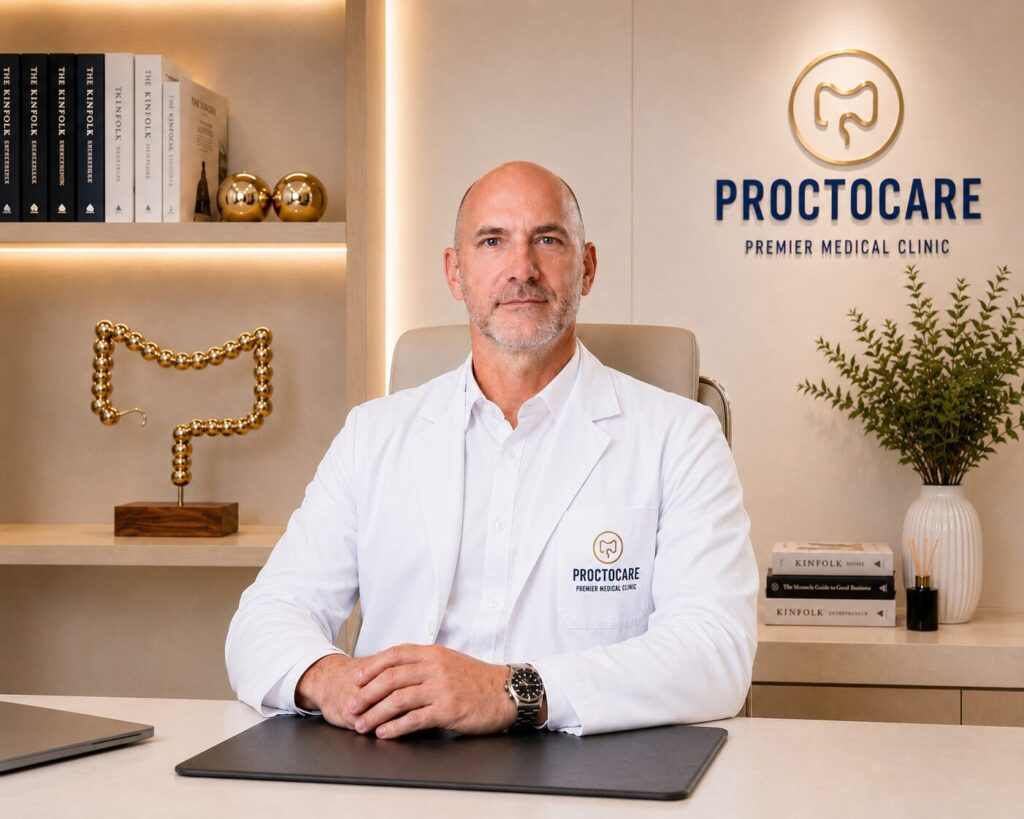
Gastroenterologist · head of the endoscopy unit at the University Hospital Bratislava (UNB)
A gastroenterologist with more than 30 years of experience in digestive endoscopy. He specializes in gastroscopy, colonoscopy and advanced endoscopic procedures.

Gastroenterologist · Bratislava office
She specializes in the diagnosis and treatment of diseases of the digestive tract, including endoscopic examinations and functional gastroenterology, with an emphasis on patient comfort during the examination.
Author and medical review: MUDr. Tomáš Zamborský – gastroenterologist with more than 20 years of experience, head medical guarantor of gastroenterology at Proctocare. · Last medical review: July 2026
Book a gastroscopy
An appointment usually within a few days, with the option of sedation. Call +421 948 687 667 – Bratislava, Bernolákova 9 (STEIN II).
Bratislava: Bernolákova 9, 811 07 (STEIN II) · Mon–Fri 07:30–19:30, Sat 07:30–12:30
info@proctocare.sk
Gastroscopy – examination of the esophagus, stomach and duodenum
Gastroscopy is an endoscopic examination of the esophagus, stomach and duodenum that usually takes only 10 to 15 minutes. At our gastroenterology center in Bratislava at Bernolákova 9 you can have it within 48 hours and, on request, under sedation – with minimal discomfort. During the examination we can directly take samples for histology and for detecting the bacterium Helicobacter pylori.
- The lead specialist for gastroenterology is MUDr. Tomáš Zamborský
- The team includes MUDr. Daniel Malik, PhD., head of the endoscopy unit at the University Hospital Bratislava (UNB)
- An appointment for gastroscopy usually within a few days, with the option of sedation
- We speak English
Bratislava – Bernolákova 9 (STEIN II)
What gastroscopy is
Gastroscopy (gastrofibroscopy) is an endoscopic examination of the esophagus, stomach and duodenum. The doctor passes a thin flexible instrument with a camera through the mouth and assesses the condition of the lining of the upper digestive tract directly on a screen. The examination itself usually takes 10 to 15 minutes.
A great advantage of gastroscopy is that during a single examination we can also take samples of the lining – for histological examination or to detect the bacterium Helicobacter pylori, which is associated with stomach ulcers. As a result, one visit is often enough to establish an accurate diagnosis.
At Proctocare, endoscopic examinations are performed by an experienced team led by the head of endoscopy MUDr. Daniel Malik, PhD.; the lead specialist for gastroenterology is MUDr. Tomáš Zamborský.
When gastroscopy is appropriate
We recommend gastroscopy especially for the following complaints and suspicions
- Long-term heartburn and reflux that do not respond to standard treatment
- Recurrent pain in the upper abdomen or a feeling of fullness after meals
- Suspected stomach or duodenal ulcers
- Suspected celiac disease – taking samples from the lining of the duodenum
- Nausea, vomiting or difficulty swallowing
- Unexplained anemia or unintended weight loss where a cause in the upper digestive tract needs to be ruled out
If you are not sure whether gastroscopy is right for you, we will gladly assess this at a gastroenterology consultation.
How gastroscopy works
The whole process is quick and gentle – from arrival to going home you will usually spend less than an hour with us
1. Consultation and briefing
The doctor goes through your complaints and medication with you and answers your questions. Together you decide whether you would like sedation.
2. Sedation (optional)
On request we administer a sedative into a vein while monitoring your vital signs. On request, the examination can also be performed under general anesthesia.
3. The examination itself
The doctor inserts the endoscope and inspects the esophagus, stomach and duodenum. This takes about 10 – 15 minutes; samples are taken if needed.
4. Results and recommendations
The doctor explains the findings to you right after the examination and suggests the next steps. Histology results are added once processed by the laboratory.
Advantages of gastroscopy at Proctocare
Appointment within 48 hours
You will usually get an appointment within 48 hours.
Sedation
You can have the examination under sedation with monitoring – with minimal discomfort. On request, the examination can also be performed under general anesthesia.
Samples taken during the examination
During the gastroscopy we take samples for histology and for the Helicobacter pylori test.
Experienced endoscopy team
The team includes MUDr. Daniel Malik, PhD., head of the endoscopy unit at the University Hospital Bratislava (UNB); the lead specialist is MUDr. Tomáš Zamborský.
Comprehensive diagnostics
Follow-up laboratory tests and stool tests can all be done with us in one place.
No referral needed
You do not need a recommendation from another doctor for the examination.
Preparing for gastroscopy
Preparation is simple – the key is to come on an empty stomach
- Do not eat for 6 – 8 hours before the examination; the stomach must be completely empty
- Do not drink or smoke immediately before the examination; ask your doctor about drinking a small amount of plain water
- Tell us in advance about any medication you take regularly (especially blood thinners and diabetes medication)
- If you choose sedation, arrange for someone to accompany you and do not drive for the rest of the day
- Bring your medical records and a list of the medication you take
You will receive exact preparation instructions when booking your appointment.
After the examination
- After the examination you may feel a slight scratchy throat or bloating – these complaints pass quickly
- You can usually eat and drink shortly after the examination, following the doctor's instructions
- After sedation you will stay under our supervision for a short while until the sedative wears off
- After sedation, do not drive, operate machinery or sign important documents that day – plan to leave with someone accompanying you
- The doctor explains the result to you right away; histology results are discussed at a follow-up visit or by phone
Frequently asked questions about gastroscopy
Gastroscopy is unpleasant rather than painful – what bothers patients most is the gag reflex when the instrument is inserted. Sedation considerably reduces the discomfort. On request, the examination can also be performed under general anesthesia.
The examination itself usually takes 10 to 15 minutes. Including preparation, any sedation and short observation afterwards, expect to spend about an hour with us.
Yes. In addition to sedation, we also offer gastroscopy under general anesthesia. The doctor will discuss suitability and the procedure with you when booking – with general anesthesia the same fasting preparation applies and you need someone to accompany you after the examination.
Yes, the stomach must be empty so that the doctor can see the lining well and the examination is safe. Do not eat for 6 to 8 hours before the examination and do not drink immediately before it.
If you had the gastroscopy without sedation, you can drive. After sedation, however, you must not drive that day – please arrange for someone to take you home.
No. We are a private gastroenterology center, so you do not need a referral and you will usually get an appointment within a few days.
Yes. During the examination we can take a sample of the lining to detect the bacterium Helicobacter pylori. An alternative is a non-invasive stool sample test.
Related topics
Acid reflux and heartburn
Long-term heartburn is one of the most common indications for gastroscopy.
Stomach ulcers
Gastroscopy is the basic examination when stomach and duodenal ulcers are suspected.
Helicobacter pylori test
We detect the bacterium associated with ulcers by a stool test or from a sample taken during gastroscopy.
Who will take care of you
Gastroenterologist · lead specialist for gastroenterology at Proctocare
MUDr. Tomáš Zamborský specializes in the diagnosis and treatment of diseases of the digestive tract, with an emphasis on precise diagnostics and an individual approach. He has also long specialized in inflammatory bowel diseases (Crohn’s disease, ulcerative colitis).
- Gastroenterologist with more than 20 years of experience
- Gastroenterology Clinic of the Slovak Medical University and the University Hospital Bratislava
- Publishing and lecturing activity in the field
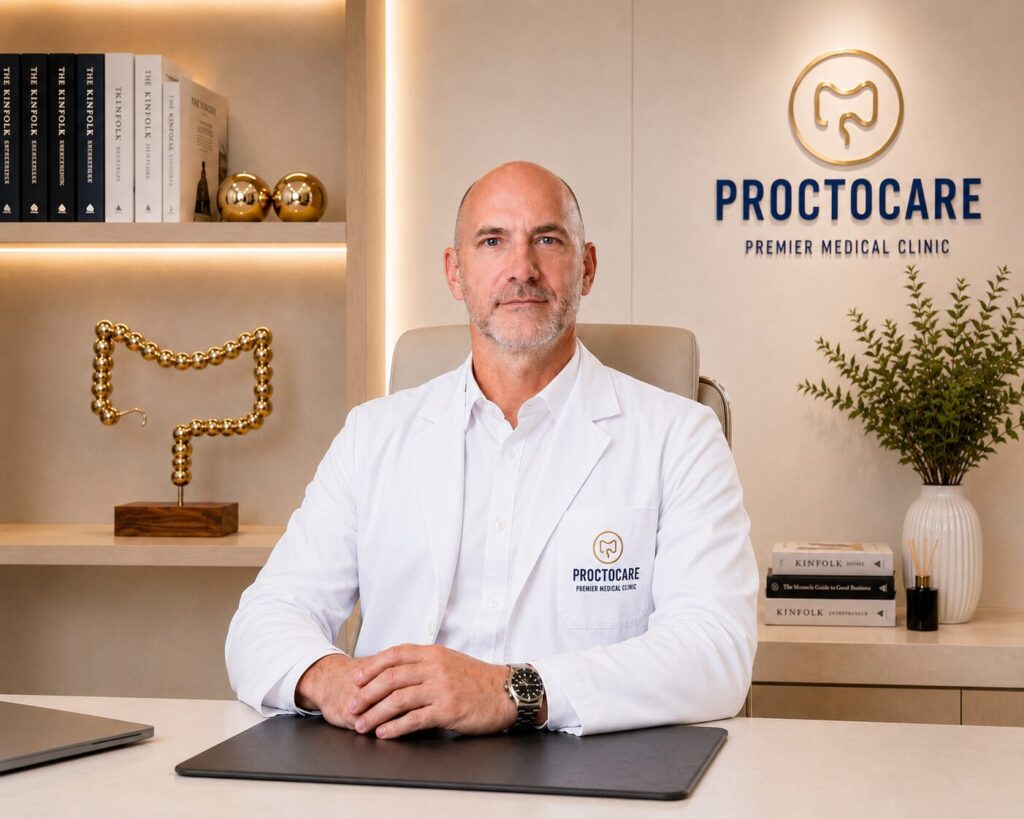
Gastroenterologist · head of the endoscopy unit at the University Hospital Bratislava (UNB)
A gastroenterologist with more than 30 years of experience in digestive endoscopy. He specializes in gastroscopy, colonoscopy and advanced endoscopic procedures.

Gastroenterologist · Bratislava office
She specializes in the diagnosis and treatment of diseases of the digestive tract, including endoscopic examinations and functional gastroenterology, with an emphasis on patient comfort during the examination.
Author and medical review: MUDr. Tomáš Zamborský – gastroenterologist with more than 20 years of experience, head medical guarantor of gastroenterology at Proctocare. · Last medical review: July 2026
Book a gastroscopy
An appointment usually within a few days, with the option of sedation. Call +421 948 687 667 – Bratislava, Bernolákova 9 (STEIN II).
Bratislava: Bernolákova 9, 811 07 (STEIN II) · Mon–Fri 07:30–19:30, Sat 07:30–12:30
info@proctocare.sk