
Testicular cancer
Testicular cancer is the most common oncological disease in young men aged 15 to 40. At the same time, it is among the most curable tumours of all – even in advanced stages. At Proctocare in Bratislava we provide a discreet examination including ultrasound and tumour markers; urology is overseen by the urologic oncologist MUDr. Ľuboš Rybár.
- Urologic oncologist MUDr. Ľuboš Rybár, who also practises at Bory Hospital
- Testicular ultrasound and tumour marker blood tests directly at our clinic
- Fast appointment, usually within a few days – urgent cases seen with priority
- We speak English
Bratislava – Bernolákova 9 (STEIN II)
What is testicular cancer
Testicular cancer is a malignant tumour that most often arises from the germ cells of the testicle. Unlike most tumours, it mainly affects young men between the ages of 15 and 40, in whom it is the most common oncological disease.
The good news: it is one of the most curable tumours – cure rates are high even in advanced stages. The condition, however, is early detection, and a simple habit leads to it: regular testicular self-examination.
Symptoms and warning signs
The most common first symptom is a change in the testicle that does not hurt and that a man feels himself:
- A lump or hardening on the testicle – typically not painful
- Enlargement or a change in the consistency of one testicle
- A feeling of heaviness or pulling in the scrotum or lower abdomen
- A dull ache in the groin or scrotum
- Rarely, tenderness or enlargement of the breast tissue
Not every lump means cancer – it may also be a cyst or a hydrocele. An ultrasound can tell them apart, which is why every change needs to be examined.
Risk factors
- An undescended testicle in childhood (cryptorchidism), even after surgical correction
- Testicular cancer in a father or brother
- A previous tumour of the other testicle
- Developmental disorders of the testicles and reduced fertility
Testicular self-examination
Once a month, ideally after a warm shower when the scrotum is relaxed. It takes a minute and can save your life.
1. Look
In front of a mirror, look for any enlargement or asymmetry of the scrotum. A slight difference in the size of the testicles is normal.
2. Feel
Gently roll each testicle between your thumb and fingers. A healthy testicle is smooth, firm and even.
3. Watch for changes
You are looking for lumps, hardening, or a change in size or consistency. The epididymis at the back is a normal structure.
4. Act on a finding
Have any new lump or change examined by a urologist – the sooner, the better.
Diagnosis at our clinic
Discreet and fast, in one place in Bratislava.
Testicular ultrasound
Part of the initial urological examination – an examination that does not hurt and reliably distinguishes a tumour from a cyst or hydrocele.
Tumour markers (AFP, LDH, bHCG)
A blood test for tumour markers, which help both in diagnosis and in monitoring the course of the disease.
Clinical examination by a urologist
An experienced urologic oncologist assesses the finding by palpation and plans the next steps without unnecessary delay.
Review of CT/MRI findings
For a confirmed finding we provide an expert review of imaging results as part of the urologic oncology consultation.
How we help you
We are a diagnostic and consulting practice – surgery and oncological treatment take place in hospital. We guide you through the whole process.
Fast diagnostics
Ultrasound and tumour markers without waiting – when a testicular tumour is suspected, time matters.
Second opinion
Urologic oncology consultation: a 30-minute appointment with a comprehensive examination and a review of CT/MRI findings.
Follow-up care
Regular monitoring after treatment, including tumour marker checks and ultrasound.
Direction to treatment
If surgery or oncological treatment is needed, we prepare you and direct you to a specialised centre. MUDr. Rybár also practises at Bory Hospital.
When to see a urologist
- You have felt a lump or hardening on a testicle
- One testicle has become larger or changed in consistency
- You feel heaviness or pulling in the scrotum or lower abdomen
- You have a risk factor (an undescended testicle, a tumour in the family)
Do not put it off – time matters
Book a discreet examination on +421 948 687 667. A regular appointment is usually available within a few days.
Frequently asked questions about testicular cancer
Yes, it is among the most curable tumours of all – cure rates are excellent even in advanced stages. The earlier it is caught, however, the simpler and gentler the treatment.
Once a month, ideally after a warm shower. Gently feel each testicle between your thumb and fingers and watch for lumps, hardening or a change in size. Have any new finding examined.
Not necessarily – it may also be a cyst, a hydrocele or inflammation. A testicular ultrasound, which is part of the initial examination at our clinic, can reliably tell them apart. Any new lump, however, needs to be examined without delay.
They are substances in the blood (AFP, LDH, bHCG) whose levels are often raised in testicular tumours. They help in diagnosis, in determining the type of tumour, and in monitoring how well treatment is working.
Surgery and oncological treatment take place in hospital facilities. At our clinic we provide fast diagnostics, a second opinion and follow-up care after treatment, and we direct you to the right centre, where your care continues under our guidance.
Related topics
Urologic oncology
An overview of urologic oncology diagnoses and services, including the second opinion consultation.
Testicular pain
Testicular pain can have many causes – from inflammation to acute conditions requiring immediate help.
Hydrocele
A benign buildup of fluid in the scrotum that can resemble an enlarged testicle.
Who will take care of you
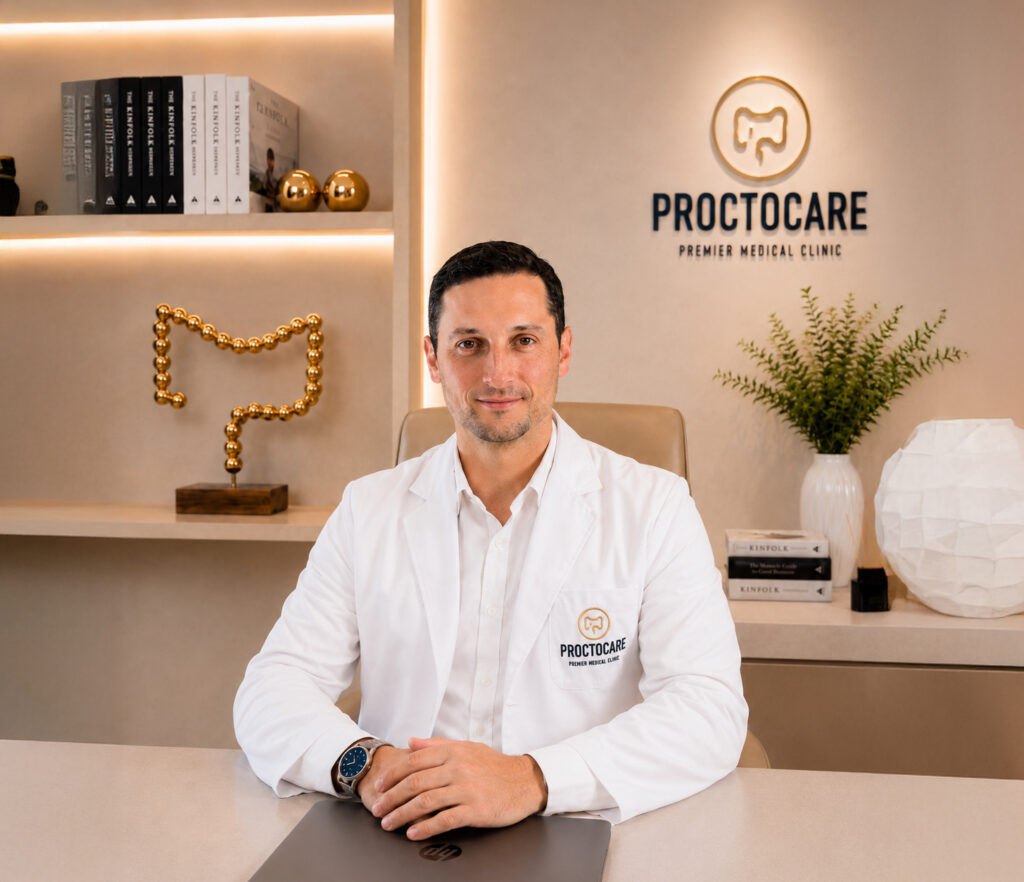
Urologist and urologic oncologist · lead specialist for urology at Proctocare
MUDr. Ľuboš Rybár specialises in the diagnosis and treatment of urological and urologic oncology conditions, with an emphasis on modern diagnostic and therapeutic procedures.
- Urologist and urologic oncologist at Bory Hospital
- Clinical fellowships at urology departments in Sweden and Lithuania
- Author of publications in professional journals
Urologist · Bratislava office
MUDr. Patrik Hesko focuses on the diagnosis and treatment of urological conditions, with an emphasis on modern diagnostic procedures and an individual approach to each patient.
Author and medical review: MUDr. Ľuboš Rybár, PhD. – urologist and uro-oncologist, head medical guarantor of urology at Proctocare. · Last medical review: July 2026
Book a testicular examination
Ultrasound and tumour markers, discreetly in one place in Bratislava. Fast appointment – call +421 948 687 667.
Bratislava: Bernolákova 9, 811 07 (STEIN II) · Mon–Fri 07:30–19:30, Sat 07:30–12:30
info@proctocare.sk
Testicular cancer
Testicular cancer is the most common oncological disease in young men aged 15 to 40. At the same time, it is among the most curable tumours of all – even in advanced stages. At Proctocare in Bratislava we provide a discreet examination including ultrasound and tumour markers; urology is overseen by the urologic oncologist MUDr. Ľuboš Rybár.
- Urologic oncologist MUDr. Ľuboš Rybár, who also practises at Bory Hospital
- Testicular ultrasound and tumour marker blood tests directly at our clinic
- Fast appointment, usually within a few days – urgent cases seen with priority
- We speak English
Bratislava – Bernolákova 9 (STEIN II)
What is testicular cancer
Testicular cancer is a malignant tumour that most often arises from the germ cells of the testicle. Unlike most tumours, it mainly affects young men between the ages of 15 and 40, in whom it is the most common oncological disease.
The good news: it is one of the most curable tumours – cure rates are high even in advanced stages. The condition, however, is early detection, and a simple habit leads to it: regular testicular self-examination.
Symptoms and warning signs
The most common first symptom is a change in the testicle that does not hurt and that a man feels himself:
- A lump or hardening on the testicle – typically not painful
- Enlargement or a change in the consistency of one testicle
- A feeling of heaviness or pulling in the scrotum or lower abdomen
- A dull ache in the groin or scrotum
- Rarely, tenderness or enlargement of the breast tissue
Not every lump means cancer – it may also be a cyst or a hydrocele. An ultrasound can tell them apart, which is why every change needs to be examined.
Risk factors
- An undescended testicle in childhood (cryptorchidism), even after surgical correction
- Testicular cancer in a father or brother
- A previous tumour of the other testicle
- Developmental disorders of the testicles and reduced fertility
Testicular self-examination
Once a month, ideally after a warm shower when the scrotum is relaxed. It takes a minute and can save your life.
1. Look
In front of a mirror, look for any enlargement or asymmetry of the scrotum. A slight difference in the size of the testicles is normal.
2. Feel
Gently roll each testicle between your thumb and fingers. A healthy testicle is smooth, firm and even.
3. Watch for changes
You are looking for lumps, hardening, or a change in size or consistency. The epididymis at the back is a normal structure.
4. Act on a finding
Have any new lump or change examined by a urologist – the sooner, the better.
Diagnosis at our clinic
Discreet and fast, in one place in Bratislava.
Testicular ultrasound
Part of the initial urological examination – an examination that does not hurt and reliably distinguishes a tumour from a cyst or hydrocele.
Tumour markers (AFP, LDH, bHCG)
A blood test for tumour markers, which help both in diagnosis and in monitoring the course of the disease.
Clinical examination by a urologist
An experienced urologic oncologist assesses the finding by palpation and plans the next steps without unnecessary delay.
Review of CT/MRI findings
For a confirmed finding we provide an expert review of imaging results as part of the urologic oncology consultation.
How we help you
We are a diagnostic and consulting practice – surgery and oncological treatment take place in hospital. We guide you through the whole process.
Fast diagnostics
Ultrasound and tumour markers without waiting – when a testicular tumour is suspected, time matters.
Second opinion
Urologic oncology consultation: a 30-minute appointment with a comprehensive examination and a review of CT/MRI findings.
Follow-up care
Regular monitoring after treatment, including tumour marker checks and ultrasound.
Direction to treatment
If surgery or oncological treatment is needed, we prepare you and direct you to a specialised centre. MUDr. Rybár also practises at Bory Hospital.
When to see a urologist
- You have felt a lump or hardening on a testicle
- One testicle has become larger or changed in consistency
- You feel heaviness or pulling in the scrotum or lower abdomen
- You have a risk factor (an undescended testicle, a tumour in the family)
Do not put it off – time matters
Book a discreet examination on +421 948 687 667. A regular appointment is usually available within a few days.
Frequently asked questions about testicular cancer
Yes, it is among the most curable tumours of all – cure rates are excellent even in advanced stages. The earlier it is caught, however, the simpler and gentler the treatment.
Once a month, ideally after a warm shower. Gently feel each testicle between your thumb and fingers and watch for lumps, hardening or a change in size. Have any new finding examined.
Not necessarily – it may also be a cyst, a hydrocele or inflammation. A testicular ultrasound, which is part of the initial examination at our clinic, can reliably tell them apart. Any new lump, however, needs to be examined without delay.
They are substances in the blood (AFP, LDH, bHCG) whose levels are often raised in testicular tumours. They help in diagnosis, in determining the type of tumour, and in monitoring how well treatment is working.
Surgery and oncological treatment take place in hospital facilities. At our clinic we provide fast diagnostics, a second opinion and follow-up care after treatment, and we direct you to the right centre, where your care continues under our guidance.
Related topics
Urologic oncology
An overview of urologic oncology diagnoses and services, including the second opinion consultation.
Testicular pain
Testicular pain can have many causes – from inflammation to acute conditions requiring immediate help.
Hydrocele
A benign buildup of fluid in the scrotum that can resemble an enlarged testicle.
Who will take care of you
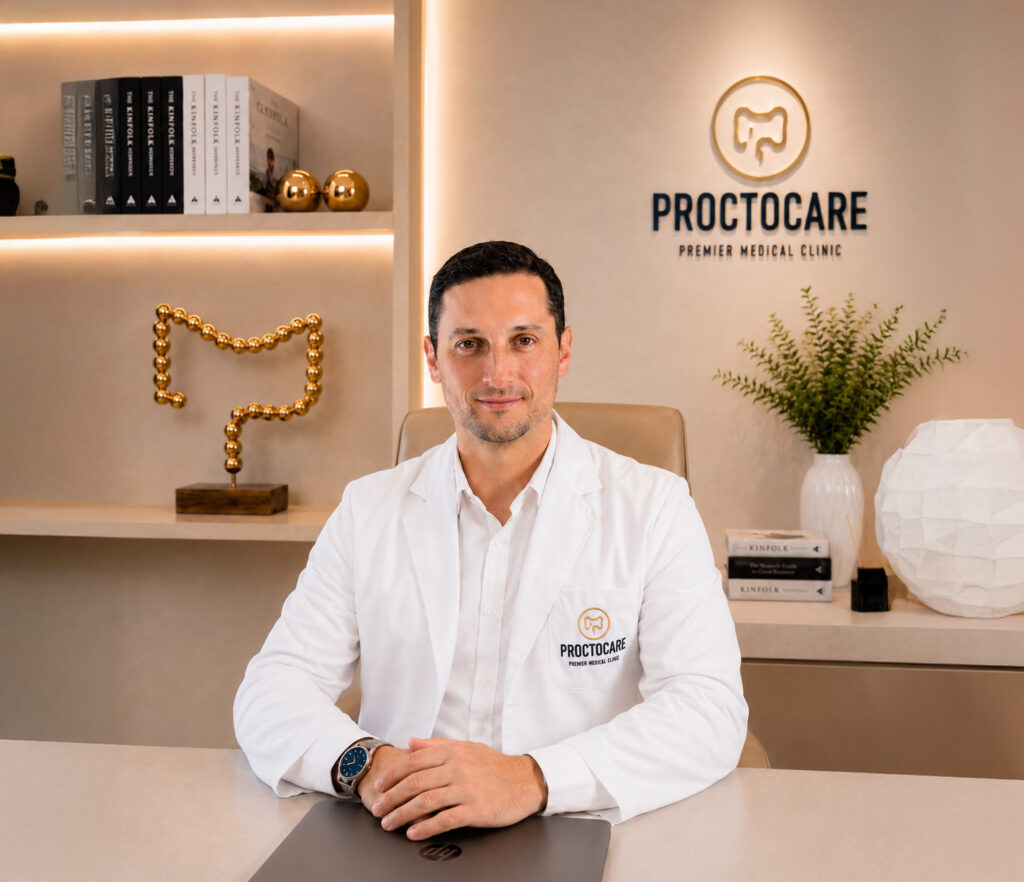
Urologist and urologic oncologist · lead specialist for urology at Proctocare
MUDr. Ľuboš Rybár specialises in the diagnosis and treatment of urological and urologic oncology conditions, with an emphasis on modern diagnostic and therapeutic procedures.
- Urologist and urologic oncologist at Bory Hospital
- Clinical fellowships at urology departments in Sweden and Lithuania
- Author of publications in professional journals
Urologist · Bratislava office
MUDr. Patrik Hesko focuses on the diagnosis and treatment of urological conditions, with an emphasis on modern diagnostic procedures and an individual approach to each patient.
Author and medical review: MUDr. Ľuboš Rybár, PhD. – urologist and uro-oncologist, head medical guarantor of urology at Proctocare. · Last medical review: July 2026
Book a testicular examination
Ultrasound and tumour markers, discreetly in one place in Bratislava. Fast appointment – call +421 948 687 667.
Bratislava: Bernolákova 9, 811 07 (STEIN II) · Mon–Fri 07:30–19:30, Sat 07:30–12:30
info@proctocare.sk
Testicular cancer
Testicular cancer is the most common oncological disease in young men aged 15 to 40. At the same time, it is among the most curable tumours of all – even in advanced stages. At Proctocare in Bratislava we provide a discreet examination including ultrasound and tumour markers; urology is overseen by the urologic oncologist MUDr. Ľuboš Rybár.
- Urologic oncologist MUDr. Ľuboš Rybár, who also practises at Bory Hospital
- Testicular ultrasound and tumour marker blood tests directly at our clinic
- Fast appointment, usually within a few days – urgent cases seen with priority
- We speak English
Bratislava – Bernolákova 9 (STEIN II)
What is testicular cancer
Testicular cancer is a malignant tumour that most often arises from the germ cells of the testicle. Unlike most tumours, it mainly affects young men between the ages of 15 and 40, in whom it is the most common oncological disease.
The good news: it is one of the most curable tumours – cure rates are high even in advanced stages. The condition, however, is early detection, and a simple habit leads to it: regular testicular self-examination.
Symptoms and warning signs
The most common first symptom is a change in the testicle that does not hurt and that a man feels himself:
- A lump or hardening on the testicle – typically not painful
- Enlargement or a change in the consistency of one testicle
- A feeling of heaviness or pulling in the scrotum or lower abdomen
- A dull ache in the groin or scrotum
- Rarely, tenderness or enlargement of the breast tissue
Not every lump means cancer – it may also be a cyst or a hydrocele. An ultrasound can tell them apart, which is why every change needs to be examined.
Risk factors
- An undescended testicle in childhood (cryptorchidism), even after surgical correction
- Testicular cancer in a father or brother
- A previous tumour of the other testicle
- Developmental disorders of the testicles and reduced fertility
Testicular self-examination
Once a month, ideally after a warm shower when the scrotum is relaxed. It takes a minute and can save your life.
1. Look
In front of a mirror, look for any enlargement or asymmetry of the scrotum. A slight difference in the size of the testicles is normal.
2. Feel
Gently roll each testicle between your thumb and fingers. A healthy testicle is smooth, firm and even.
3. Watch for changes
You are looking for lumps, hardening, or a change in size or consistency. The epididymis at the back is a normal structure.
4. Act on a finding
Have any new lump or change examined by a urologist – the sooner, the better.
Diagnosis at our clinic
Discreet and fast, in one place in Bratislava.
Testicular ultrasound
Part of the initial urological examination – an examination that does not hurt and reliably distinguishes a tumour from a cyst or hydrocele.
Tumour markers (AFP, LDH, bHCG)
A blood test for tumour markers, which help both in diagnosis and in monitoring the course of the disease.
Clinical examination by a urologist
An experienced urologic oncologist assesses the finding by palpation and plans the next steps without unnecessary delay.
Review of CT/MRI findings
For a confirmed finding we provide an expert review of imaging results as part of the urologic oncology consultation.
How we help you
We are a diagnostic and consulting practice – surgery and oncological treatment take place in hospital. We guide you through the whole process.
Fast diagnostics
Ultrasound and tumour markers without waiting – when a testicular tumour is suspected, time matters.
Second opinion
Urologic oncology consultation: a 30-minute appointment with a comprehensive examination and a review of CT/MRI findings.
Follow-up care
Regular monitoring after treatment, including tumour marker checks and ultrasound.
Direction to treatment
If surgery or oncological treatment is needed, we prepare you and direct you to a specialised centre. MUDr. Rybár also practises at Bory Hospital.
When to see a urologist
- You have felt a lump or hardening on a testicle
- One testicle has become larger or changed in consistency
- You feel heaviness or pulling in the scrotum or lower abdomen
- You have a risk factor (an undescended testicle, a tumour in the family)
Do not put it off – time matters
Book a discreet examination on +421 948 687 667. A regular appointment is usually available within a few days.
Frequently asked questions about testicular cancer
Yes, it is among the most curable tumours of all – cure rates are excellent even in advanced stages. The earlier it is caught, however, the simpler and gentler the treatment.
Once a month, ideally after a warm shower. Gently feel each testicle between your thumb and fingers and watch for lumps, hardening or a change in size. Have any new finding examined.
Not necessarily – it may also be a cyst, a hydrocele or inflammation. A testicular ultrasound, which is part of the initial examination at our clinic, can reliably tell them apart. Any new lump, however, needs to be examined without delay.
They are substances in the blood (AFP, LDH, bHCG) whose levels are often raised in testicular tumours. They help in diagnosis, in determining the type of tumour, and in monitoring how well treatment is working.
Surgery and oncological treatment take place in hospital facilities. At our clinic we provide fast diagnostics, a second opinion and follow-up care after treatment, and we direct you to the right centre, where your care continues under our guidance.
Related topics
Urologic oncology
An overview of urologic oncology diagnoses and services, including the second opinion consultation.
Testicular pain
Testicular pain can have many causes – from inflammation to acute conditions requiring immediate help.
Hydrocele
A benign buildup of fluid in the scrotum that can resemble an enlarged testicle.
Who will take care of you

Urologist and urologic oncologist · lead specialist for urology at Proctocare
MUDr. Ľuboš Rybár specialises in the diagnosis and treatment of urological and urologic oncology conditions, with an emphasis on modern diagnostic and therapeutic procedures.
- Urologist and urologic oncologist at Bory Hospital
- Clinical fellowships at urology departments in Sweden and Lithuania
- Author of publications in professional journals
Urologist · Bratislava office
MUDr. Patrik Hesko focuses on the diagnosis and treatment of urological conditions, with an emphasis on modern diagnostic procedures and an individual approach to each patient.
Author and medical review: MUDr. Ľuboš Rybár, PhD. – urologist and uro-oncologist, head medical guarantor of urology at Proctocare. · Last medical review: July 2026
Book a testicular examination
Ultrasound and tumour markers, discreetly in one place in Bratislava. Fast appointment – call +421 948 687 667.
Bratislava: Bernolákova 9, 811 07 (STEIN II) · Mon–Fri 07:30–19:30, Sat 07:30–12:30
info@proctocare.sk